Investing In Stocks For Beginners
- Learning the Basics of Investing in Stocks
- Understanding Risk and Reward
- Tags: Key Topics for Investing in Stocks for Beginners
- The Roadmap to Your First Investment
- Choosing the Right Tools and Platforms for Beginners
- Analyzing Your Investment Choices
- Tips for Successful Investing in Stocks for Beginners
- Getting Started with Your First Stock Purchase
Investing in stocks can seem like a daunting journey, especially for beginners venturing into the complex world of financial markets. However, with the right knowledge and tools, it can also be an exciting and rewarding endeavor. In today’s dynamic economy, investing in stocks offers individuals the chance to participate as stakeholders in various businesses, potentially leading to significant financial gains. Yet, for many beginners, the jargon-filled industry can be intimidating, filled with terms like “bull markets,” “dividends,” and “ETFs,” often spoken in what seems like a foreign language. Fear not, as this article is designed to break down these complexities and provide valuable insights, making the path to investing accessible and understandable.
Read More : Beginner’s Guide To Bonds And Fixed Income
Imagine this: a cup of your favorite morning brew, the business news in the background, and your investment portfolio steadily growing. Sounds enticing, right? This is the kind of lifestyle investing in stocks can potentially offer. But before you dive in, it’s essential to approach stock investments with a well-informed mindset. This guide will equip you with foundational knowledge, laying the groundwork to explore the vast ocean of opportunities within the stock market. Adopting a strategic approach will steer you towards being a savvy investor, whether your goal is wealth addition, retirement planning, or simply testing the waters.
Success stories abound in investing circles, where people have turned small amounts of money into fortunes by simply buying and holding stocks over significant periods. However, before you get carried away by dreams of overnight riches, consider that investing in stocks for beginners requires patience, research, and a bit of financial savvy. With great rewards come great responsibilities and risks, but with careful planning and education, even beginners can minimize these risks. Our story leads you into the heart of investing by simplifying concepts, demystifying strategies, and offering tools to empower your financial future through the stock market.
Learning the Basics of Investing in Stocks
The world of investing is a multi-faceted domain encompassing numerous strategies and philosophies, each striving to maximize returns while mitigating risks. Investing in stocks for beginners starts with grasping the basics: understanding how the stock market operates, recognizing the types of stocks, and learning how to evaluate them. Fear not, as knowledge is the torchbearer to illuminating the path to savvy investing.
One fundamental concept is understanding what stocks represent. Stocks are essentially shares in the ownership of a company, and owning stock means you have a claim on part of the company’s assets and earnings. The stock market, where these securities are bought and sold, can fluctuate widely based on economic conditions, investor perceptions, and numerous other factors. For beginners, diving into these waters can feel like deciphering an intricate puzzle without a guide.
Another essential element of investing in stocks for beginners is recognizing the various types of stocks available. You might encounter terms such as “common stocks” and “preferred stocks,” each with distinct characteristics and benefits. Common stocks typically come with voting rights, allowing shareholders to vote on company matters. On the other hand, preferred stocks generally provide no voting rights but offer dividends at a fixed rate, often making them appealing for income-focused investors.
Understanding Risk and Reward
It’s important to understand that all investments carry a certain degree of risk. Though investing in stocks for beginners might seem nerve-racking initially, this risk is balanced by potential rewards. Stocks are known for their volatility; prices frequently change due to market fluctuations, economic indicators, or geopolitical events. However, this same volatility offers the opportunity for significant investment returns.
One way to gauge investment risk is by diversifying your portfolio. Diversification involves spreading investments across various asset classes to reduce exposure to any single investment’s potential failure. By investing in a mix of different stocks, sectors, and even countries, beginners can buffer their portfolios against significant losses. Remember, while diversification doesn’t eliminate risk altogether, it can help manage it more effectively.
Studies and research back the importance of diversification in enhancing returns. According to modern portfolio theory, when stocks of different industries or asset classes perform unpredictably, a diversified portfolio achieves better results with reduced risk. As a beginner, understanding and implementing diversification can be crucial in building a resilient and dynamic investment strategy.
Tags: Key Topics for Investing in Stocks for Beginners
The landscape of investing in stocks for beginners is filled with rich opportunities and challenges. For those setting foot into this arena, understanding the core principles and strategies is the first step towards realizing potential financial gains. The stock market is akin to a bustling city, constantly alive and changing, where every investor writes their story through choices, strategies, and investments. And like any new city, the stock market may initially appear intimidating, but with time, familiarity turns it into a playground of opportunities waiting to be explored. So, dear reader, are you ready to embark on this exciting journey?
As you embark on your investing journey, be sure to stay updated with market trends, innovations, and strategies that seasoned investors swear by. Familiarize yourself with financial news, engage with community forums, and learn from expert analyses, enabling informed decisions that align with your investment goals. The world of investing offers vast potential, ripe for exploration and discovery.
The Roadmap to Your First Investment
Engaging with the stock market can be the gateway to achieving financial independence and prosperity. However, like learning to ride a bike, the journey from a beginner investor to a competent savant requires guidance, practice, and the right tools. It’s crucial to start small, focusing on understanding and building a solid foundation in stock investment principles.
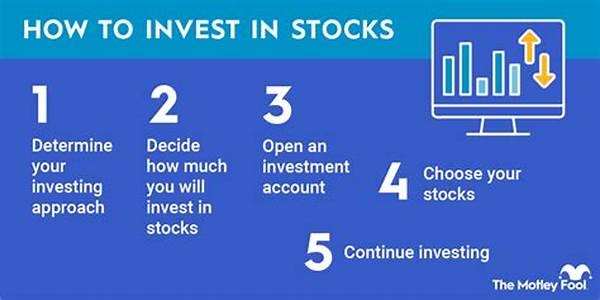
First, start by identifying your financial goals. Are you looking to build wealth, save for retirement, or perhaps fund a dream vacation? Your investment objectives will shape your strategy and risk tolerance. Next, establish a budget for investing in stocks for beginners. Decide how much money you are willing to invest, and more importantly, only use funds that you can afford to lose without jeopardizing your financial stability.
Secondly, educate yourself continuously. The importance of being informed cannot be overstated in the investing world. Attend seminars, read books, and engage with investment platforms that offer courses and childlike tutorials on investing in stocks for beginners. The quest for knowledge will empower you, equipping you with confident decision-making skills rooted in research and analysis.
Choosing the Right Tools and Platforms for Beginners
Selecting the right resources and platforms can make all the difference in your investment journey. User-friendly brokerage platforms and apps designed with beginners in mind can ease the process significantly, offering essential tools such as simulators, educational resources, and customer support. Many online brokerages now offer commission-free trading, making it easier and cost-effective for beginners to start their investment journey without the burden of heavy fees.
Also, consider utilizing robo-advisors, as they provide automated investment services based on your financial goals and risk tolerance. Robo-advisors use algorithms to manage your investment portfolio, offering a hands-off approach ideal for those with limited time or who prefer less active involvement in daily market monitoring.
Analyzing Your Investment Choices
As you progress and gain experience, understanding the art of analysis becomes imperative. Evaluating potential stocks by analyzing company performance reports, balance sheets, and market trends can guide informed decision-making. For beginners, interpreting these data points can be overwhelming, but reliable credit rating organizations and financial experts can provide insightful analyses.
Investing in stocks for beginners involves recognizing whether a stock is undervalued or overvalued. Monitoring metrics such as price-to-earnings ratios (P/E), earnings per share (EPS), and projected future growth rates aids in assessing stock value. These tools are crucial, as overvalued stocks could lead to overpaying, while undervalued stocks present buying opportunities.
Tips for Successful Investing in Stocks for Beginners
Investing in stocks requires patience, consistency, and an understanding that the stock market is unpredictable. Even seasoned investors encounter losses. The key is not to panic during market dips, but to remain steadfast in your strategies while learning from mistakes. By following these tips and diligently tracking your investments, the journey can be rewarding and educational, setting you on a path to financial growth.
Getting Started with Your First Stock Purchase
Your first step into the world of stock investment is a milestone moment; akin to planting a financial seed that has the potential to grow into a towering tree. Picture this: you’ve identified an enthusiastic company, researched diligently, and are now ready to take that exhilarating leap. Congratulations! You’re about to become a part-owner in a business and make your maiden stock purchase.
Before you click the purchase button, double-check your analysis and ensure the decision aligns with your financial goals. Instilling a disciplined, research-driven approach to investing in stocks for beginners is crucial, as it helps anchor emotional biases that often lead to impulsive decisions. It’s the approach that often separates successful investors from unsuccessful ones.
Remember, embracing investing as a journey of learning—with both highs and lows—is essential. Consider it an apprenticeship or informal education, where each mistake is a lesson, and each success is a stepping stone toward proficiency. Sharing experiences with friends or entering investment communities can provide insightful anecdotes, camaraderie, and testimonials, easing the journey into the world of stock trading.
Finally, take action today. Whether signing up for a brokerage service, purchasing your first stock, or diving into educational resources, each step counts. By initiating this journey, you will be seizing control over your financial future, opening the door to unimaginable opportunities, and embarking on an enriching journey of personal and financial growth.