Money Mastery: How To Use Asset Allocation To Match Your Investments To Your Risk Tolerance!
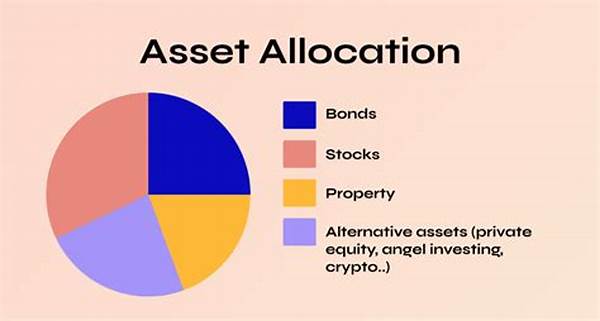
In the rapidly evolving world of finance, achieving “money mastery” is akin to conquering ever-changing terrains. For the savvy investor, asset allocation becomes the compass guiding them toward their financial goals. But how does one ensure their investments align perfectly with their risk tolerance? This question, dear reader, is the heart of our journey today: “Money Mastery: How to Use Asset Allocation to Match Your Investments to Your Risk Tolerance!” We’re not just talking about sprinkling some magic dust over your investment portfolio; this is about deciphering your appetite for risk and structuring your investments to mitigate those financial uncertainties that keep you awake at night.
Read More : How To Start Investing For Beginners
Embracing the science of asset allocation means understanding the balance between potential reward and risk. Think of it as the finely tuned strings of a guitar; too tight, and they might snap, mirroring high-risk ventures that could backfire. Too loose, and they may not produce any sound—akin to putting your money in ultra-conservative assets with negligible returns. We all want growth, but not at the expense of uncontrollable risk, right? By the end of this narrative, you’ll envision asset allocation as a logical and emotionally satisfying approach to crafting your financial symphony, ensuring peace and potential prosperity.
The Art of Asset Allocation
Contrary to what many believe, asset allocation isn’t about choosing the “best” stocks or bonds; it’s about tailoring a diverse investment portfolio that reflects both the market’s dynamism and your financial character. Dive into the next four paragraphs as we unravel the essentials of money mastery, ensuring you wield the power of asset allocation like a true maestro.
Start with understanding your financial goals. Are you saving for a summer home by the beach, or is retirement on a yacht more your style? Identify your aspirations and weave them into your investment strategy. The art of “money mastery: how to use asset allocation to match your investments to your risk tolerance” starts with this clarity. It’s not merely about picking financial instruments, but about aligning them with your life ambitions.
Next, let’s talk numbers—the core of any successful strategy lies in solid data. Statistics reveal that a diversified portfolio has historically weathered financial storms better than concentrated investments. In essence, spreading your investments across various asset classes like stocks, bonds, and real estate dilutes risk and stabilizes potential returns. It’s like having dessert with every meal; you enjoy the flavors without overindulging.
Conversely, your emotional readiness plays an equally significant role. Reflect on past financial decisions—were you unnerved by market drops, or did you view them as buying opportunities? Emotional analysis helps tailor your risk profile. A conservative approach may shield you from excessive market volatility, while a more aggressive stance might embrace it for higher gains. Money mastery lies in balancing rational data with emotional insights, creating a portfolio that comforts yet challenges you.
Ultimately, your investments should evolve as you do. Reassess and adjust your asset allocation periodically—are you missing opportunities? Are new risks emerging as your life stage advances? “Money mastery: how to use asset allocation to match your investments to your risk tolerance” is a dynamic strategy, ever-adapting to life’s changes and maintaining alignment with your financial dreams.
Understanding Risk Tolerance
The term “risk tolerance” often evokes imagery of a tightrope walker balancing over a dizzying height. Similarly, managing your investments involves understanding how much market tumult you can endure. A thorough self-assessment can reveal your psychological and financial thresholds, guiding your asset allocation towards resilience and growth.
Navigating the labyrinth of financial investment might seem daunting, but with the right mindset and tools, it becomes an exciting endeavor. “Money mastery: how to use asset allocation to match your investments to your risk tolerance” is your key to unlocking disciplined yet rewarding financial strategies.
Begin with the foundation of diversification. Imagine a vast garden where diverse plants bloom. In the investment world, this garden is your portfolio—a mix of equities, bonds, real estate, and perhaps alternative investments like commodities. Each asset type offers unique returns and risks, tied together by the thread of asset allocation. Your role? To nurture this garden by reallocating resources based on market conditions and personal goals.
Moreover, maintaining continual knowledge acquisition is vital. The financial landscape is ever-evolving, with new trends, technologies, and policies popping up, influencing market behaviors. Stay informed by attending seminars, reading books, or even following investment blogs. The more you know, the more adept you’ll be in making strategic investment decisions, diminishing risks, and enhancing returns.
However, let us not downplay the emotional journey intertwined with these financial pursuits. Adrenaline rushes during market highs or despair in downturns is natural. Recognizing and managing these emotions streamlines your decision-making process, making “money mastery: how to use asset allocation to match your investments to your risk tolerance” an achievable balance between logic and sentiment.
Lastly, consider seeking professional financial advice. Even the sharpest minds might miss nuances that seasoned advisors can spot. Their expertise not only aligns with your goals but continually re-evaluates them, ensuring your financial pathway remains straightforward and prosperous amidst life’s unpredictabilities.
Asset Classes to Consider
What are the choices when it comes to diversifying your portfolio? Stocks provide growth potential but carry significant risk. Bonds offer steady income with typically less volatility. Real estate investments can provide both income and appreciation potential, while alternative investments such as commodities or cryptocurrencies introduce a different flavor—but not without their risks. Each class has a role, calculated through money mastery, crafting a balanced portfolio tailored to your unique risk tolerance.
When contemplating “money mastery: how to use asset allocation to match your investments to your risk tolerance,” it’s crucial to ask the right questions. Such inquiries help guide your journey into developing a robust and personalized investment strategy. Here are some thought-provoking questions to consider:
Reflecting on these questions allows for an introspective look into your current financial landscape. It clarifies how to approach your investment strategies with clarity, confidence, and a touch of wit. Remember, the query into “money mastery: how to use asset allocation to match your investments to your risk tolerance” invites not just a technical exploration but a lifestyle tweak that embraces a financially savvy future.